

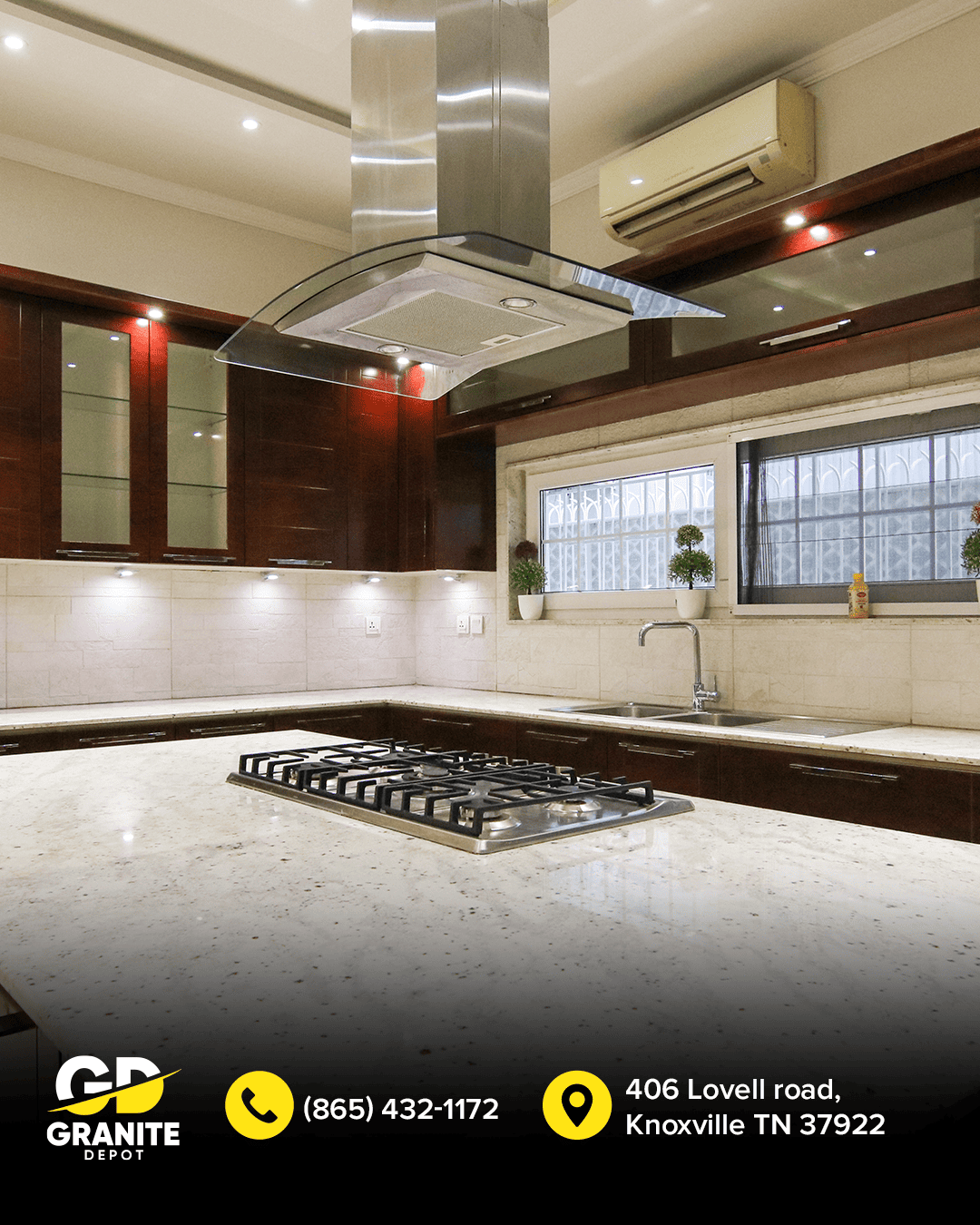
The Battle of Strength, Style, and Longevity
When it comes to kitchen upgrades, few decisions carry as much weight as selecting the right countertop. Not only does it serve as the centerpiece of your kitchen design, but it also takes on daily tasks—chopping, serving, cleaning, and withstanding heat. For homeowners shopping for countertops in Cleveland, TN, the decision often comes down to two contenders: quartz and granite.
Both materials have their loyal fans and unique advantages. Quartz is known for its low maintenance and consistent appearance, while granite is prized for its natural beauty and heat resistance. But which one truly performs better under the daily pressures of kitchen life? The answer isn’t always straightforward, and the best choice depends on your needs, habits, and expectations.
At Granite Depot of Turkey Creek, we’ve worked with homeowners across Cleveland to find the perfect fit for their kitchens. Let’s take a closer look at how quartz and granite stack up in this head-to-head comparison.

Durability: Which One Can Handle More Abuse?
Durability is often the deciding factor for many homeowners considering countertops in Cleveland, TN. After all, your kitchen isn’t just a showpiece—it’s a functional space that needs to handle heat, spills, sharp objects, and heavy items.
Granite is a natural stone that forms deep within the earth’s crust, making it exceptionally hard and heat resistant. You can place hot pots and pans directly on a granite surface without fear of burns or discoloration—something that quartz simply can’t offer. It also resists scratches from knives and utensils, though it’s still best to use cutting boards to protect your knives.
However, granite has one vulnerability: it’s a porous material. If not sealed properly, it can absorb liquids, leading to stains or bacterial growth. This means routine sealing—typically once every 1 to 2 years—is necessary to maintain its protective barrier.
Quartz, on the other hand, is an engineered material composed of natural quartz crystals mixed with resins and pigments. The result is a non-porous surface that naturally resists staining and bacterial buildup, without the need for sealing. Its scratch resistance is comparable to granite in most situations, though it may not withstand sharp impacts quite as well at the edges.
The biggest drawback with quartz is its sensitivity to heat. While it’s highly durable under normal conditions, sudden temperature changes or direct contact with hot cookware can damage the resin, leading to permanent marks or cracks.
In summary:
- Granite excels in heat tolerance and overall hardness but requires sealing.
- Quartz wins in stain resistance and low maintenance but needs protection from heat.

Maintenance and Care: Which One Makes Life Easier?
Nobody wants to spend hours maintaining their kitchen countertops. That’s why ease of care is often a deal-breaker for homeowners exploring countertops in Cleveland, TN.
Quartz clearly shines in this category. Thanks to its non-porous surface, it doesn’t need sealing and is highly resistant to spills from wine, coffee, oils, and acidic foods. Cleaning quartz is as simple as using soap, water, and a soft cloth—there’s no need for specialized cleaners or sealants.
Granite requires a bit more upkeep. While daily cleaning is similar to quartz, you’ll need to reseal your granite countertop periodically to maintain its stain resistance. The sealing process itself isn’t complicated, but it does require scheduling and regular attention to ensure long-term performance.
Homeowners who value a “set it and forget it” solution tend to lean toward quartz for its simplicity. However, those willing to invest a little time into maintenance often appreciate the added benefits of granite’s natural beauty.
Style and Appearance: Beauty in the Eye of the Beholder
When it comes to style, both granite and quartz offer stunning options—but their aesthetics are quite different.
Granite is known for its organic patterns, rich colors, and one-of-a-kind veining. Every slab of granite is unique, formed by natural geological processes over millions of years. This makes it a favorite for homeowners seeking a distinctive, earthy feel in their kitchens. Whether you prefer bold, dramatic patterns or soft, neutral tones, granite provides a wide range of options.
Quartz, being an engineered product, offers greater consistency in color and pattern. This makes it ideal for those looking for a more uniform, minimalist, or contemporary look. Modern quartz manufacturers have perfected the art of mimicking the look of natural stone, including marble and granite, allowing homeowners to achieve their desired aesthetic with added durability.
Another benefit of quartz is the ability to customize the appearance to match cabinetry, backsplashes, or flooring precisely. While it may lack the natural variation of granite, many homeowners love the predictable, clean lines that quartz provides.
In this category, the “winner” depends entirely on your design goals:
- Choose granite for organic beauty and uniqueness.
- Choose quartz for clean, consistent designs and modern elegance.
Cost and Long-Term Value: Which Offers More Bang for Your Buck?
Cost is always a key consideration when shopping for countertops in Cleveland, TN, and both materials can vary depending on the specific type, color, and thickness you choose.
In general, quartz tends to be slightly more expensive upfront than granite, especially for high-end or premium quartz styles. However, the gap has narrowed in recent years due to increased demand and production efficiencies.
Granite costs can vary widely based on rarity and sourcing, with exotic slabs commanding premium prices. However, many common varieties of granite remain competitively priced compared to quartz.
When evaluating long-term value, it’s essential to consider maintenance costs as well:
- Quartz may have a higher initial price but requires virtually no additional maintenance, potentially saving money over time.
- Granite often has a lower initial cost but does require periodic sealing, which could add to the long-term expense—though many homeowners handle this task themselves.
From a resale perspective, both materials are highly desirable. Potential buyers often view both granite and quartz as premium features, meaning your investment in either surface is likely to pay off when it comes time to sell your home.
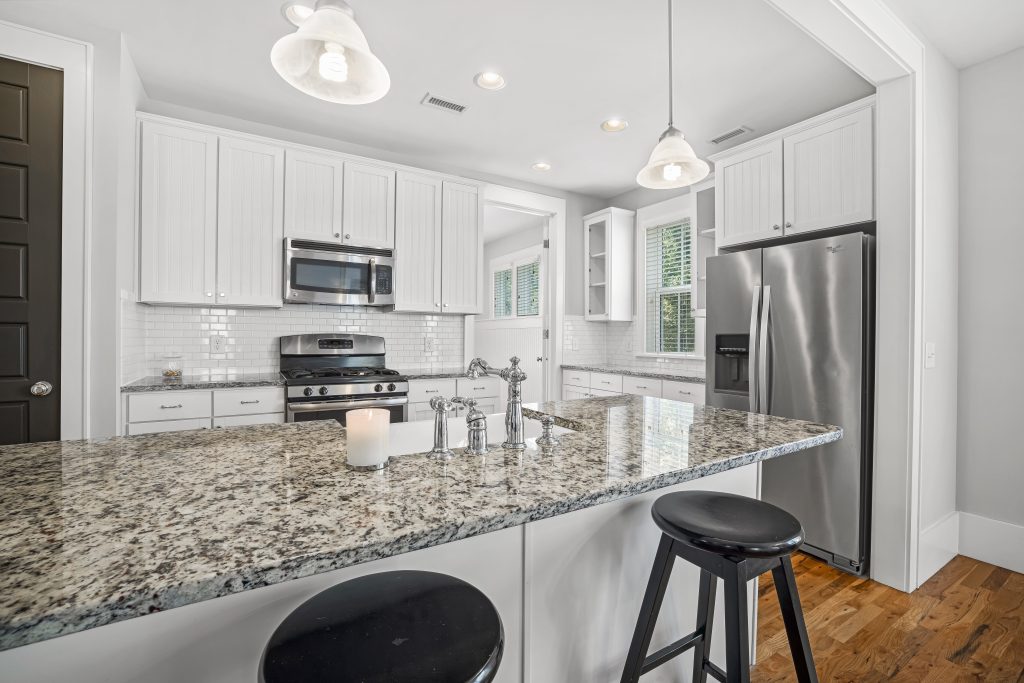
Final Verdict: Which One Performs Better Overall?
The ultimate question remains: which countertop material truly performs better under pressure—quartz or granite?
The answer lies in your specific needs:
- If heat resistance, natural beauty, and one-of-a-kind character are your priorities, granite is hard to beat. It’s tough, heat-proof, and stunning—but it requires occasional sealing.
- If low maintenance, stain resistance, and a sleek, consistent appearance are what you value most, quartz is the ideal choice. It’s effortless to clean and resistant to daily wear, as long as you’re cautious with heat.
Both materials are excellent for countertops in Cleveland, TN, and with proper care, either one can last for decades.
At Granite Depot of Turkey Creek, we help homeowners navigate these choices every day. We believe that the “best” countertop isn’t just about the hardest surface or the boldest pattern—it’s about what fits your lifestyle, your kitchen, and your future plans.
Our team is dedicated to guiding you through the process, from material selection to professional installation, ensuring that your kitchen isn’t just beautiful today—but also ready for the demands of tomorrow.
Whether you choose the timeless allure of granite or the modern simplicity of quartz, we’re here to help you get it right.